
 G
G
Managing intraocular pressure rise: is there a formula?
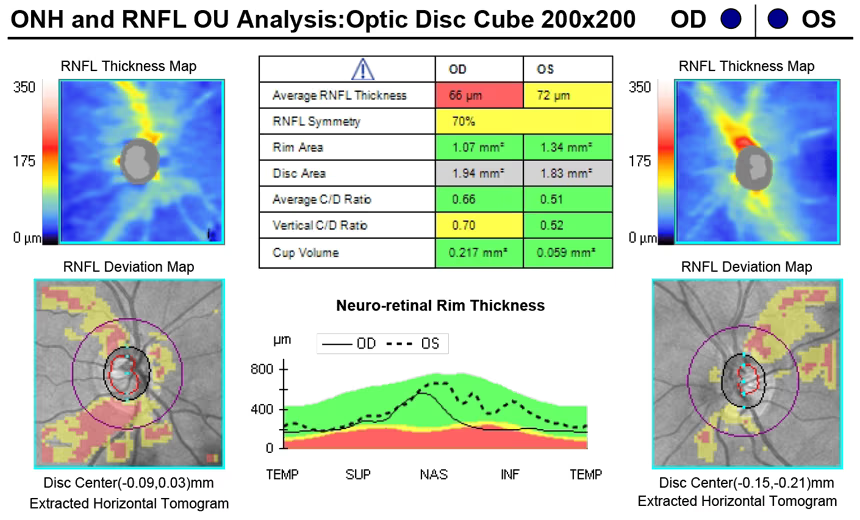
Eye care professionals are increasingly encountering patients with acute or sub-acute rises in intraocular pressure (IOP) linked to current or past corticosteroid use. In this CPD article, entitled ‘Managing intraocular pressure rise: is there a formula?’, Dr Christolyn Raj explores steroid-induced IOP elevation, with a focus on identifying patients at higher risk for an IOP spike after steroid use and the subsequent risk of secondary glaucoma.
On completion of this CPD article, participants should:
1. Understand the underlying mechanism causing IOP rise in the acute or sub-acute setting, and the subsequent risk of secondary glaucoma,
2. Realise the importance of a patient’s history and treatment before formalising an effective management plan,
3. Be well-versed in treatment options for early, medium and long-term stages of disease, and
4. Understand how to co-manage steroid-induced IOP fluctuations with other health care professionals.

This article is for educational and informational purposes only and may not be directly applicable to your individual patients.
Date last reviewed: 2026-02-24 | Date for next review: 2028-02-24
